
mediterranean
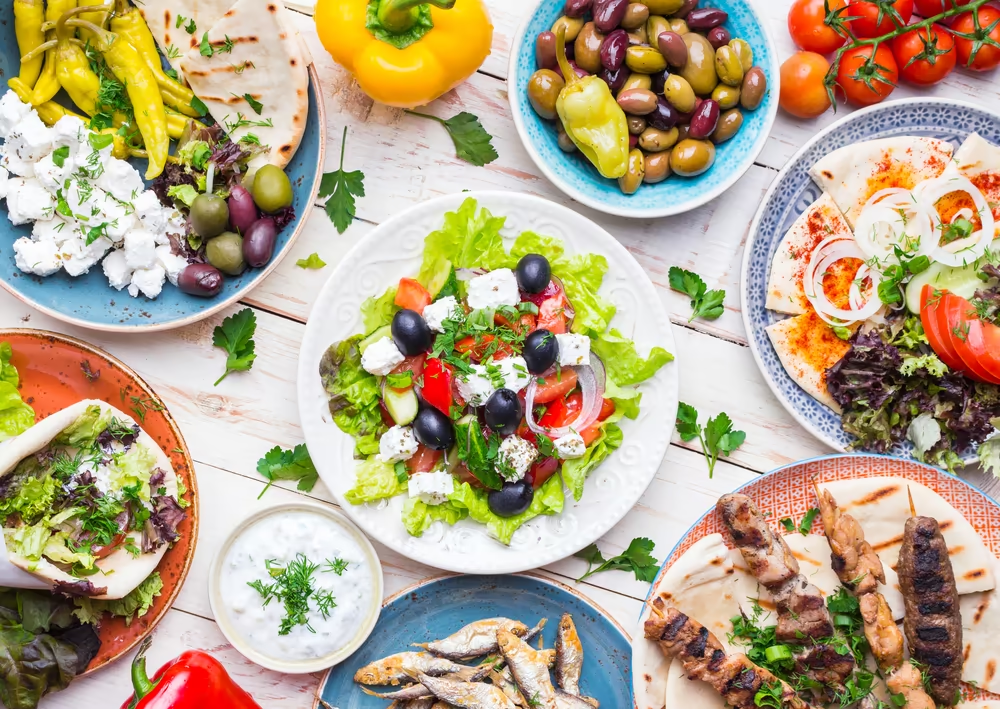
From aromatic herbs and delicate spices to fresh fish, tender meat and Mediterranean vegetables, Mediterranean cuisine brings the diverse flavours of the countries around the Mediterranean to the plate.
Mediterranean Cuisine - Discover Mediterranean Specialties
Mediterranean cuisine brings the culinary traditions of the countries around the Mediterranean Sea to your plate!
Mediterranean Cuisine – Diversity Around the Mediterranean
Vegetables, legumes, grains, fish, and seafood are as much a part of it as olive oil, herbs, and a wide variety of spices. Mediterranean cuisine is often regarded as particularly healthy and balanced, though there is something in it for lovers of hearty foods, too. This gives rise to dishes ranging from light vegetable creations and starters to fish, meat, and hearty specialties.
Those who go out for Mediterranean food can discover very different culinary traditions. Italian cuisine, for example, brings together pasta, risotto, and other regional specialties, while Greece is known for dishes with vegetables, legumes, fish, and lamb. In Spain, the culinary repertoire includes rice dishes, fish and seafood, and a variety of small starters, among other things.
Whether pasta, grilled fish, aromatic vegetables, or Mediterranean meat dishes: the cuisine around the Mediterranean offers countless ways to experience familiar ingredients anew. It is all the different combinations, preparation methods, and regional specialties that make Mediterranean cuisine so appealing.
Book your table now via GlobalGuest®!
mediterranean – Restaurants
Choose your table now and book online for free


Das Kleine Steakhaus
Hohe Str. 73-75, Cologne · Innenstadt

Mederrano
Plectrudengasse/Lichhof 12, Cologne · Old Town South

Oxin
Alteburger Str. 35, Cologne · Cologne South

Mediterranean Cuisine in Germany
Mediterranean cuisine has enriched German gastronomy in a special way!
In the 1950s and 1960s, people from various Mediterranean regions brought their culinary traditions and recipes with them to Germany. Restaurants and inns became places where these cuisines could be shared with a new audience. In this way, Mediterranean dishes found their way into the German dining scene and, over time, became part of everyday life for more and more people.
From those first restaurants, a diverse gastronomic offering has developed that today goes far beyond traditional recipes. Alongside well-known classics, there are modern interpretations, regional specialties, and a variety of restaurant concepts to discover.
Whether for a relaxed everyday meal or as the culinary highlight of a special evening: today, Mediterranean cuisine can be enjoyed quite naturally in all kinds of situations!
Our Recommendations and Typical Specialties
Mediterranean cuisine stands for great culinary diversity, ranging from simple starters and pasta to grilled specialties and on to fish and seafood. Depending on the restaurant, different ingredients, preparation methods, and focal points take center stage.
At our GlobalGuest® partners, you can find this diversity in different forms:
At Consilium in Cologne, the menu includes ravioli with pesto cream sauce and salmon fillet, among other dishes, while Mederrano combines various Mediterranean specialties with burrata, calamari, and lamb fillet. Das Kleine Steakhaus focuses on grilled dishes and complements them with prawns and classic starters. At Scampino, fish and seafood such as sea bream and the scampi pan take center stage.
In this way, each restaurant offers its own specialties and combinations, allowing you to discover the different facets of Mediterranean cuisine.
Frequently asked questions about Mediterranean restaurants
Mediterranean cuisine includes Italian, Greek, Spanish, French, Turkish, and North African cuisine, among others. Within each of these culinary traditions, too, there are numerous regional specialties.
At Consilium in Cologne, for example, you'll find a vegetarian lentil salad and a creamy mushroom soup. Mederrano offers burrata and grilled vegetables, among other things. At Glocke in Sankt Augustin, too, the menu includes vegetarian dishes such as a spicy couscous vegetable pan with goat cheese.
Commonly used ingredients include vegetables, legumes, grains, olive oil, herbs, fish, and seafood. Depending on the culinary tradition, different spices, cheeses, and types of meat are also used.
Many ingredients are grilled, pan-fried, braised, or served fresh as salads and starters. Pasta and rice dishes, as well as oven-baked dishes, are also part of the various Mediterranean culinary traditions.
Olive oil is traditionally used for frying and cooking and also serves as a component of dressings, sauces, and marinades. It thus shapes the flavor of many Mediterranean dishes.